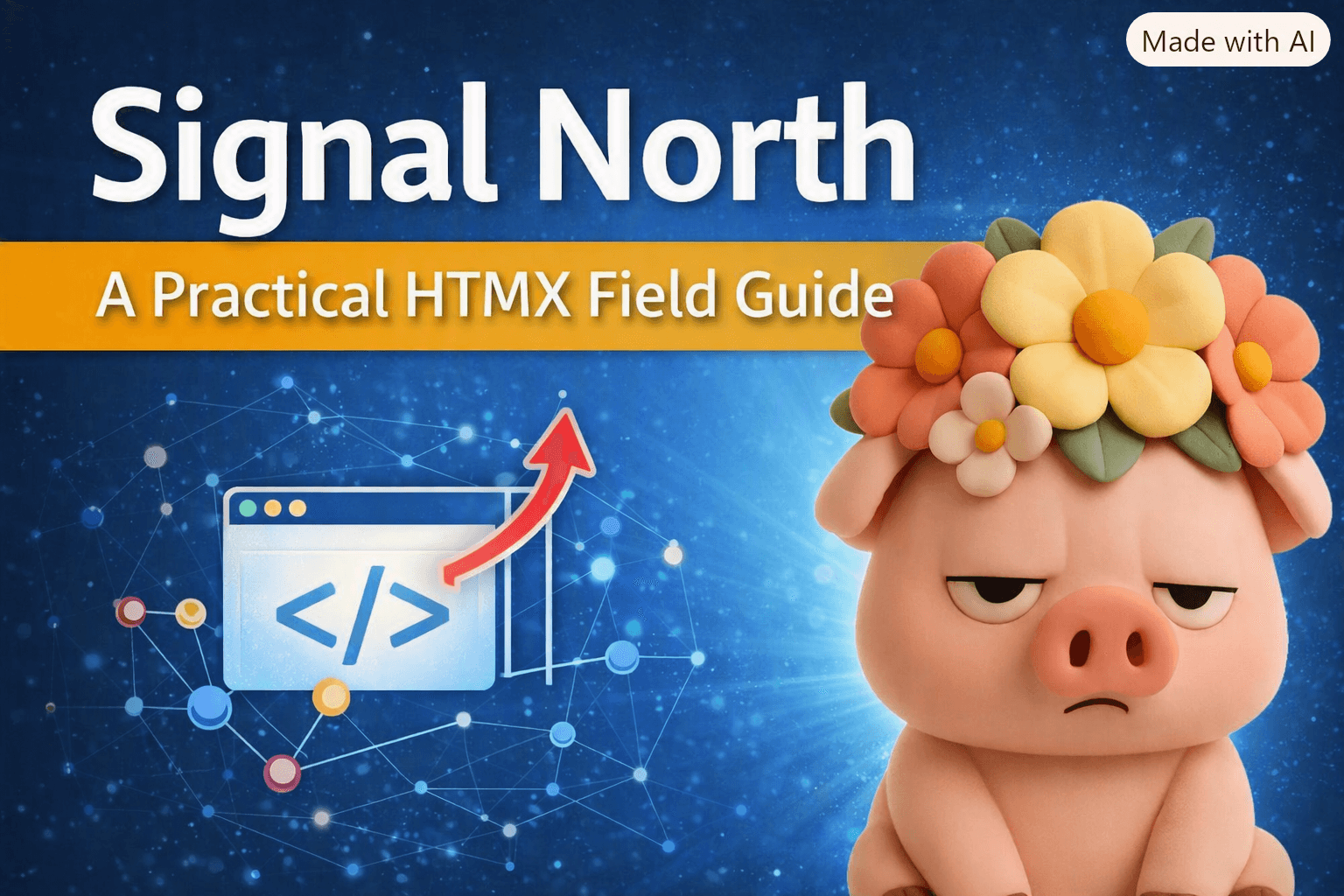
Signal North: A Practical HTMX Field Guide
Signal North is an interactive showcase for building modern web interfaces with HTMX and server-rendered HTML. https://signal-north-htmx.vercel.app/
The project demonstrates how much can be achieved without writing custom application JavaScript. Instead of maintaining client-side state or building a separate frontend API, the browser sends normal HTTP requests and the server responds with HTML fragments. HTMX connects those requests to elements on the page using attributes such as hx-get, hx-post, hx-put, hx-delete, hx-target, and hx-swap. The page includes working examples of:
- Debounced command search
- Server-rendered telemetry refreshes
- Form submissions with validation
- Out-of-band updates using hx-swap-oob
- Activity creation and deletion
- Inline editing with hx-put
- Polling with every 5s
- Lazy loading with revealed
- Browser history updates with hx-push-url
- Response events using HX-Trigger
- Request coordination with hx-sync
- Request shaping with hx-select, hx-include, and hx-vals
- Swap timing and transition modifiers
- Server-sent events through the HTMX SSE extension Each demo is connected to a real HTTP endpoint. The server returns meaningful HTML rather than JSON, and every card explains three parts of the interaction:
- What HTMX does
- What the Go server does
- What responsibility remains with the browser The project also makes an important distinction: it uses HTMX and the SSE extension, both of which are JavaScript libraries, but it contains zero custom application JavaScript. There are no frontend components, client-side state stores, inline event handlers, or custom JavaScript files. Signal North is built with Go, html/template, and a small net/http server. HTMX is vendored locally so the site continues to work without CDN access. The application is tested with Go unit tests, race detection, go vet, and Playwright browser tests. The project is deployed in two ways. A container version runs directly in Wincontainer, while a separate Vercel Hobby deployment uses Vercel’s Go runtime and native Git integration. The page also explains when HTMX is not the right tool. HTMX is a strong choice when the server owns the application state and HTML is the natural response. It may not be the best choice for games, canvas applications, rich editors, offline-first workflows, or extremely high-frequency interactions that need to respond without a network round trip. The central idea behind Signal North is simple: Use HTMX when the server owns the state, return HTML from the server, and keep the browser responsible for presentation rather than duplicating application logic. Signal North is not intended to be a production infrastructure platform. It is an educational field guide for understanding how server-driven interfaces can remain interactive, responsive, and visually polished without becoming a large client-side application.
see the page here https://signal-north-htmx.vercel.app/
Share this post
Related Posts
Jobseekerv3
A local web chat assistant that turns a job listing into tailored CV and cover-letter PDFs in English and Danish, with evidence-backed review before anything is saved.
August 6, 2026
Who's hacking ;)
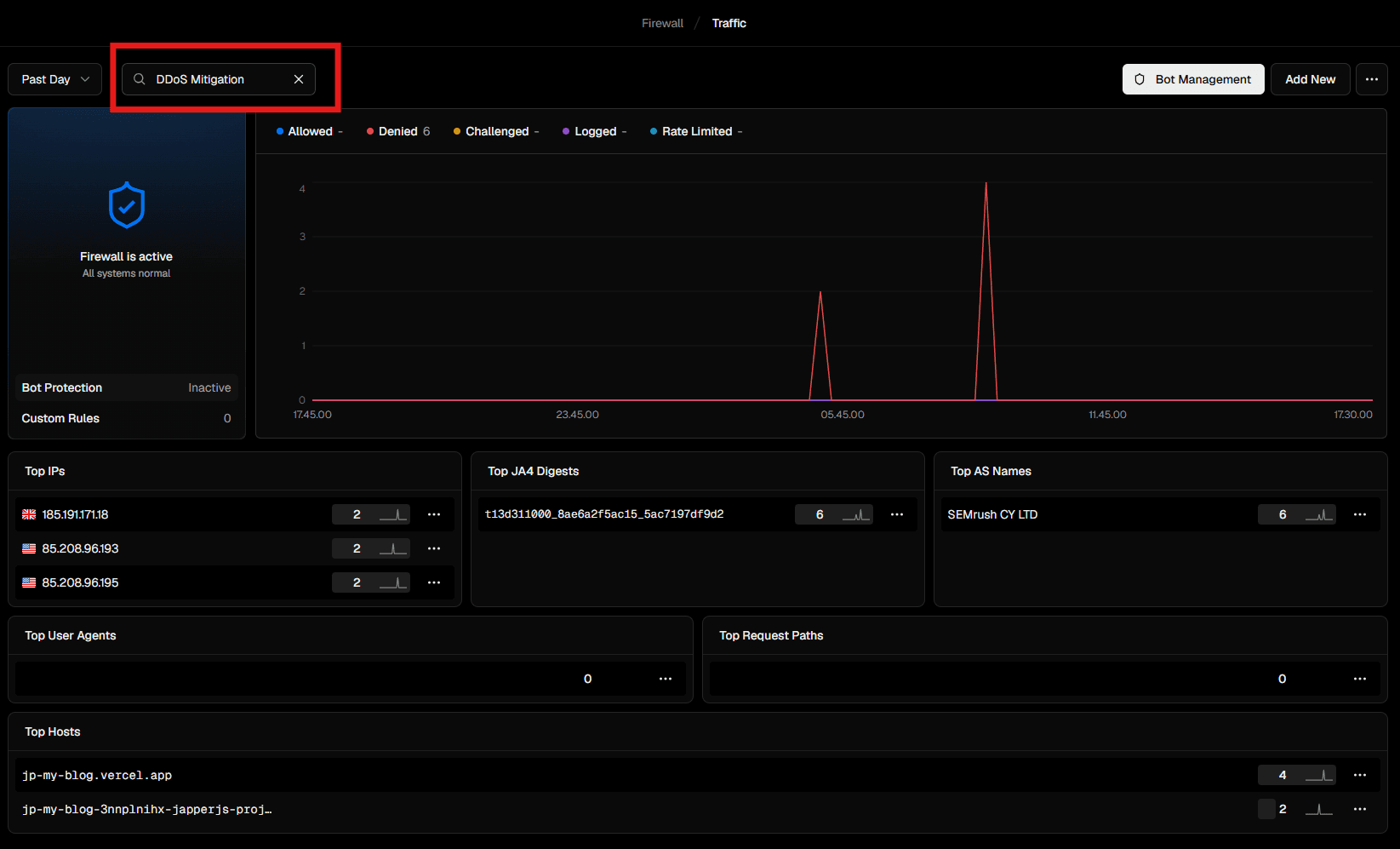
Found this information on vercel
August 4, 2026

What do users want from Windows 11
GitHub stars are a countable proxy for demand for workaround tools. Verified means the page was fetched and checked; Cited means the headline/date was confirmed but the article was not directly readable. Reddit and Feedback Hub counts were unavailable because those services blocked automated access.
August 4, 2026
Comments
Be the first to leave a comment.